
Price Breakdown & Availability
Here's how current offers compare across retailers.

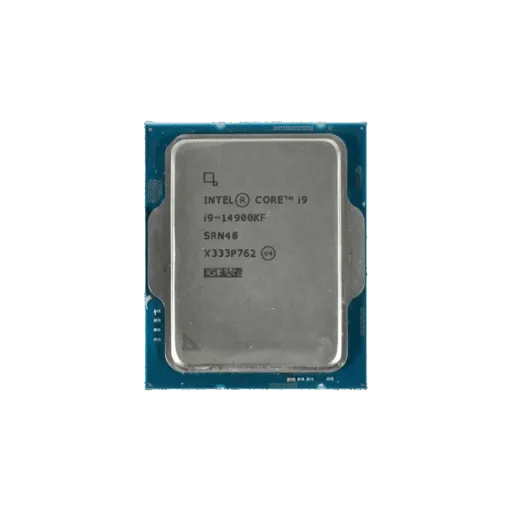
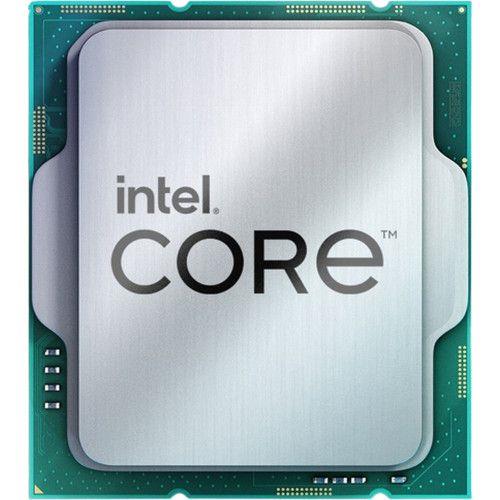
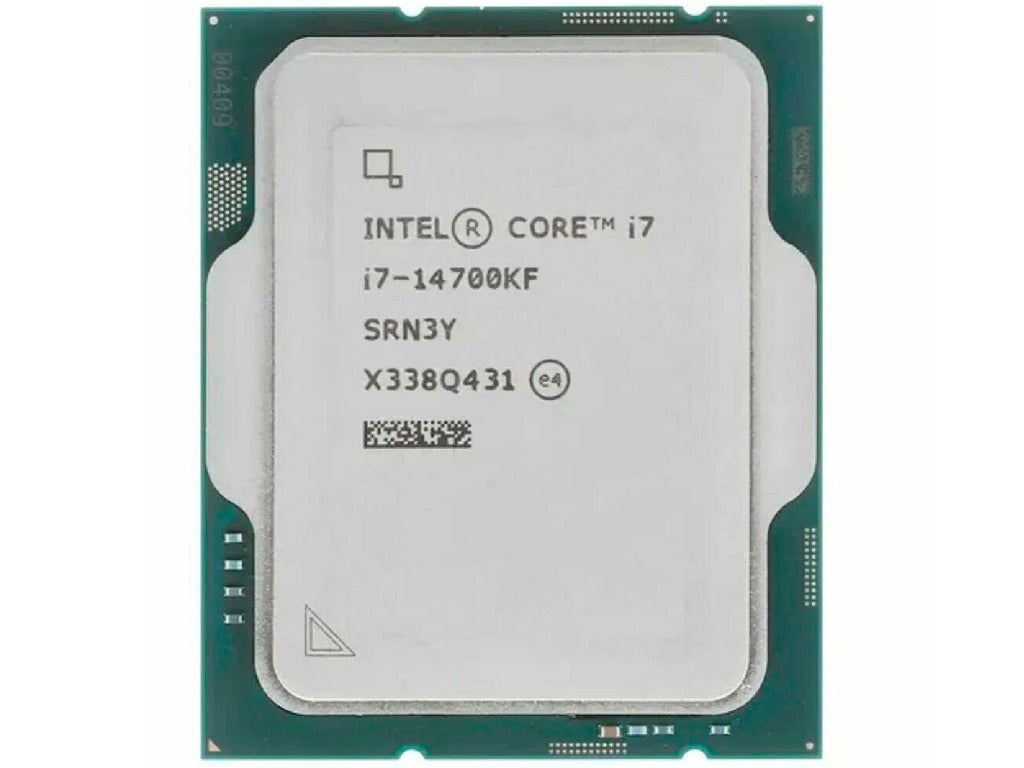
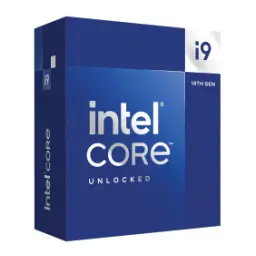
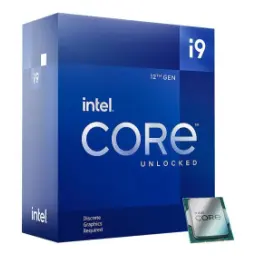
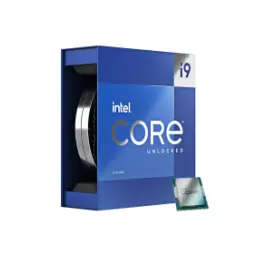
Intel Core i9-14900KF Box


You Might Also Like
Built for high-end desktop work, this processor brings serious headroom, y3ni el shoghl el thageel yelga masaha akbar. The Intel Core i9-14900KF combines 24 cores and 32 threads for demanding gaming and creation, y3ni el 7amla tebga a3la ma3 el multitasking. Eight Performance-cores handle responsive foreground tasks, while sixteen Efficient-cores carry background activity, fa tigdar tft7 apps w projects ma3 ba3ad b sohola. Its 14th Gen desktop platform makes a strong foundation for custom PCs, fa tigdar tebni el setup 3ala mar7ala b mar7ala as your workload grows. Buyers seeking serious everyday responsiveness can match this processor with a suitable motherboard, graphics card, memory kit, and cooler for a complete build.
This hybrid core layout separates speed-focused and efficiency-focused work, 3ashan kol task yelga no3 el core el monasib. Eight P-cores and sixteen E-cores create a 24-core arrangement for gaming, streaming, rendering, and everyday applications, fa kol task yelga makan monasib. Compatible operating systems can use Intel Thread Director to coordinate workloads, fa el tanagol bain el apps yebga akthar tartib. That balance helps when a game runs beside a browser, recording tool, or creative application, 7atta lamma el 7amla tetghayyar b sor3a. It is a practical fit for users who want one desktop processor to manage varied workloads without constantly closing background software.
Fast clock behavior gives interactive tasks a quick, responsive feel, y3ni el response yebga 7ay lamma tfta7 tools or move through a project. The processor reaches up to 6.0 GHz with Intel Thermal Velocity Boost, while Performance-cores can reach 5.6 GHz and Efficient-cores up to 4.4 GHz. Its 3.2 GHz Performance-core base frequency provides a clear operating reference, 7atta lamma el workload ykoon motanawwe3. These frequency levels suit fast game engines, timeline scrubbing, code builds, and other responsive tasks, fa tigdar teshof el natija b sor3a. Actual speeds depend on workload, cooling, power, and system settings, so thoughtful configuration remains important.
A 36 MB Intel Smart Cache keeps frequently needed data closer to the cores, fa el shoghl yebga a7san fi el tasks elli tet3ad. The cache complements the hybrid architecture when applications switch between active calculations and background work, y3ni el tanagol ykoon ashal. An additional 32 MB of total L2 cache gives the processor another fast data layer for supported workloads. That layered design can help large projects, code compilation, 3D scenes, and complex multitasking feel more consistent, 5o9o9an ma3 el files el kbeera. Software behavior still varies, but the cache capacity gives demanding desktop applications useful room to work.
Support for both DDR5 and DDR4 gives builders more platform choice, y3ni tigdar t5tar el memory 3ala 7asab el motherboard. The processor supports up to DDR5-5600 MT/s or DDR4-3200 MT/s for compatible desktop configurations. Two memory channels and support for up to 192 GB give demanding users room to scale, fa el setup yebga a7san ma3 el projects el kbeera. This flexibility suits fresh builds and careful upgrades, 7atta lamma t3adel el platform b tadreej without replacing every component. Choose the standard that matches your motherboard, BIOS, and future plan, because DDR4 and DDR5 require the correct board design.
Modern expansion support helps this CPU fit graphics-heavy and storage-focused builds, y3ni el system ykoon jahiz lel upgrades el mohemma. It provides PCIe 5.0 and PCIe 4.0 connectivity with up to 20 processor PCIe lanes for compatible components. That bandwidth can serve a discrete GPU, fast NVMe storage, and other high-speed devices, 5o9o9an fi gaming or workstation setups. Motherboard layout and chipset design decide the final lane arrangement, fa lazem tcheck lane sharing before installing several cards. Planning these connections early keeps the build cleaner, y3ni ma t3adel el parts ba3dain because of avoidable lane limits.
The KF designation means this processor has no integrated graphics, fa el build y7taj discrete graphics card 3ashan yeshteghal 3ala 6ool. That choice suits buyers already planning a dedicated GPU for gaming, rendering, or multi-monitor work. Motherboard display outputs cannot produce video through this CPU alone, y3ni lazem t7ot el graphics card min awal el plan. Confirm the GPU, power supply, and monitor connections before checkout, 7atta kol shay ykoon ready for the first boot. This requirement is straightforward for custom builders, but it matters when comparing the KF model with Intel processors that include graphics.
Unlocked tuning gives experienced builders extra control, y3ni tigdar t3adel el settings 3ala 7asab el cooling w el motherboard. The processor supports custom adjustment of key settings when paired with a compatible chipset and suitable cooling solution. Its 125W Processor Base Power and 253W Maximum Turbo Power make power delivery important, fa lazem t5alli el board w el PSU 3ala mustawa monasib. A capable thermal setup also matters during sustained heavy use, 7atta yebga el system stable ma3 el 7amla el 3aliya. Temperatures and sustained frequencies vary with airflow, cooler design, BIOS settings, and workload, so plan the platform as a complete system.
The boxed format gives buyers a clearly identified retail variant, y3ni ta5ith el BOX version for a new desktop build. Compatibility still needs attention because this 14th Gen processor uses the LGA1700 socket and Intel 600- or 700-series desktop chipsets. A supported BIOS may also be required, fa 5alle el motherboard compatibility min awal el plan. Together, the 24-core design, 32 threads, 36 MB cache, and high turbo ceiling create a capable foundation, y3ni el setup ykoon 3amali w qawi ma3 el shoghl el thageel. Choose the Intel Core i9-14900KF Box when your priorities are high-end desktop performance, discrete graphics, flexible memory, and tuning flexibility.
Here's how current offers compare across retailers.
Review current prices and specifications side by side.